It is an honour for us to walk alongside you on one of the most meaningful journeys a believer can undertake: the sacred pilgrimage of Hajj. This is far more than a journey of distance. It is a journey of the soul, a moment to stand before Allah with humility, sincerity, and devotion. The Prophet ﷺ said, "An accepted Hajj has no reward except Jannah." With such a promise, Hajj becomes a truly life-defining experience.
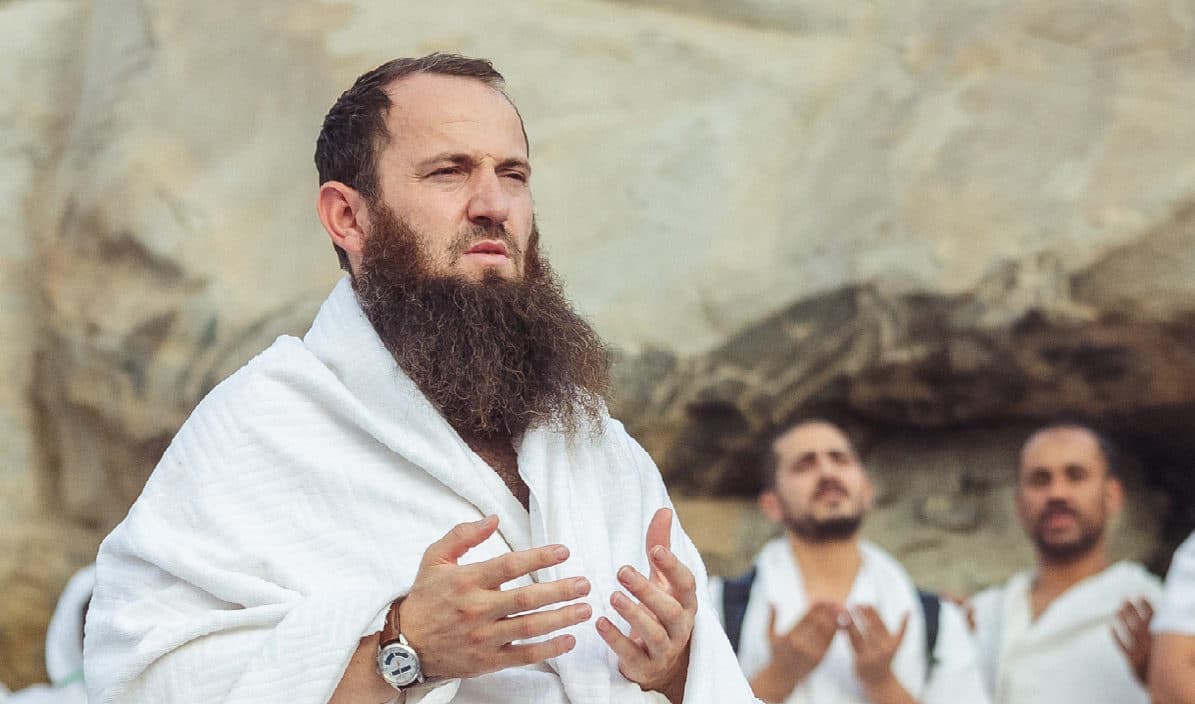
Hajj is also a test of patience, resilience, and reflection. The physical demands are real and the spiritual responsibility is great, which makes preparation not just helpful but essential. This guide for Hajj 1447 has been shaped by years of experience, practical understanding, and ongoing learning, to help you through every stage of your journey with confidence, clarity, and peace of mind.
While physical readiness matters, the true success of Hajj lies in preparing the heart and mind. Understanding the rites, their meaning, and the spiritual state they require lets you experience each moment of Hajj with purpose and depth, and further resources will be shared to support you. Hajj will test you in ways you may not expect, yet with sound guidance, the right mindset, and sincere intention, it becomes a journey that leaves a lasting mark on your life. May Allah grant you ease, accept your Hajj, and bless you with its full rewards.
Health Advice
Preparation and self-care are crucial for a successful Hajj. Your Hajj starts from the moment you make the intention to go, and establishing a routine is essential. Take proactive steps to minimise the risk of sickness and other medical issues: prepare yourself physically and equip yourself to deal with the common ailments pilgrims encounter.
Get medical advice first
If you have a health condition, seek medical advice before travelling and get a doctor's note confirming you are fit to travel. If you have specific medical concerns you would like to discuss before your journey, contact the Al Bait Guests representative responsible for your package.
Know the risks
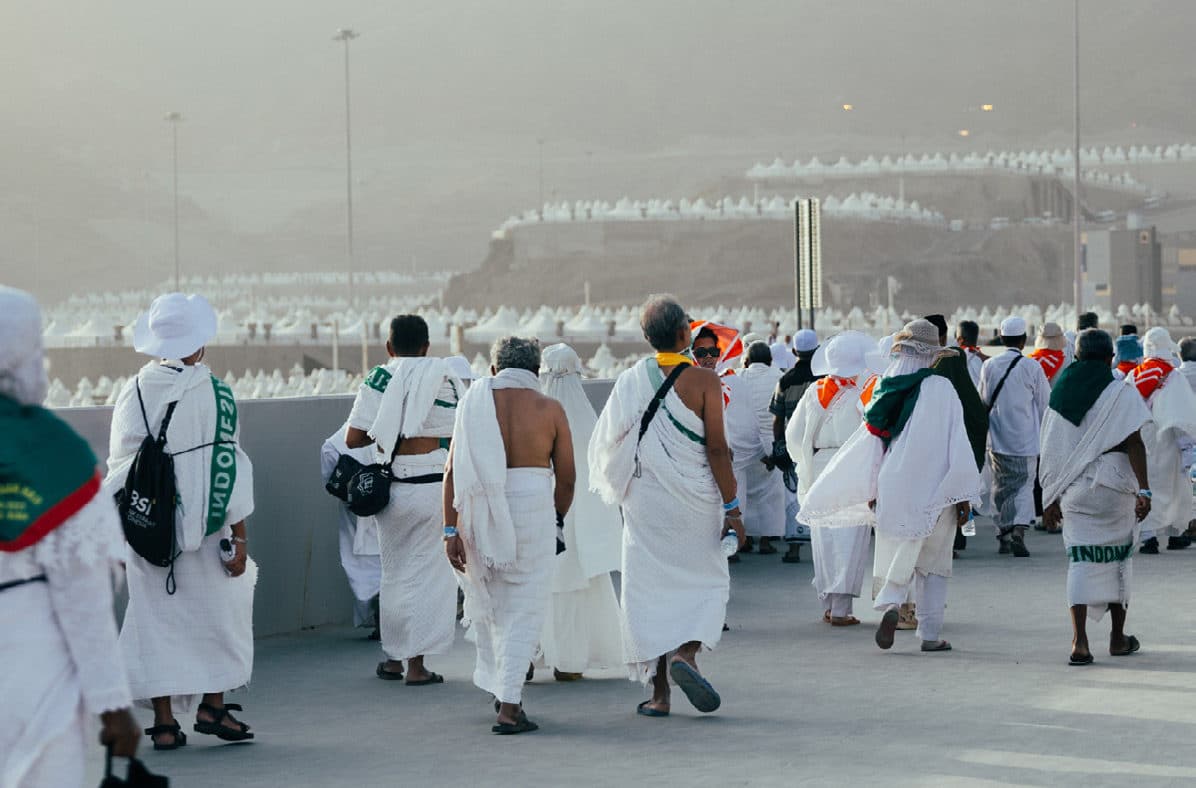
Hajj carries health risks: the weather is notably hotter and dustier than most pilgrims are used to, Makkah's population surges from 200,000 to over 2 million during Hajj, and the rites are physically demanding, with a great deal of walking.
Prepare physically
Physical preparation is often overlooked, leaving many people struggling during and after their pilgrimage. Walking to the Holy Mosques and performing Umrah can take its toll within a few days of arrival, leaving people unprepared for the demanding days of Hajj.
Walk every day
Start with a half-hour walk every day and build up to at least an hour. Walking strengthens your quadriceps, hamstrings, calves, and arms and builds stamina. Try morning and evening walks, involve your family, children, or Hajj companions, and use a treadmill if necessary. If you haven't started, begin today; if you have, keep going and build consistency. See the walking and step challenges in the Physical Preparation section below.
Eat sensibly
A sensible diet before and during Hajj is very important, especially as many people struggle with their digestion. With fast food everywhere during Hajj, much of it not the healthiest, plan wise food choices in advance and establish a consistent, agreeable routine.
Prepare mentally and emotionally
Alongside spiritual preparation, don't overlook mental and emotional readiness. If you struggle with anxiety, low mood, depression, or stress, consult your healthcare practitioner well in advance. Relaxation and breathing techniques can also help build resilience.
Simple Steps to Minimise Health Risks
- The Ministry of Health requires certain vaccinations for Hajj (see Vaccinations below). Check the health guidelines for your country on the Nusuk Hajj website.
- Print any paperwork you need for your travel.
Hydration
Staying hydrated is essential in the hot, challenging conditions of Hajj. It is a continuous effort, so manage your fluid intake proactively:
Drink enough isotonic fluids
Carry a refillable water bottle and sip regularly, even when you don't feel thirsty. Isotonic drinks such as ORS or Dioralyte contain sugars and salts similar to those in the body and help you rehydrate properly; if you can't find them, add a little sugar and salt to water. If you have kidney problems, a kidney transplant, or high blood pressure, consult a healthcare practitioner or specialist first. Aim for at least two litres of water a day for women and three litres for men; a single litre is not enough. If you don't feel like you are on the verge of bursting, you are not hydrated enough. Stay cool and drink up!
Avoid sugary and caffeinated drinks
They can contribute to dehydration. Water is the best choice.
Eat hydrating foods
Water-rich fruits and vegetables add to your fluid intake and provide extra nutrients.
Schedule your water intake
Plan your drinking around key events and rites, for example before and after Tawaf and other strenuous activities.
Use hydration stations
Refill your bottle at the hydration stations set up in various locations.
Watch for signs of dehydration
If you notice dizziness, dark urine, or a dry mouth, drink more water and find shade if possible.
Protect yourself from the sun
Wear clothing that shields you from the sun; women should choose loose cotton or cool clothing whenever possible. Stay in the shade, use an umbrella when walking, and keep a cool, wet flannel with you.
Plan your activities
Schedule outdoor activities for the cooler parts of the day, such as early morning or late evening.
Heat Exhaustion vs Heat Stroke
Signs
- Feeling faint or dizzy
- Cool, pale, clammy skin
- Excessive sweating
- Nausea or vomiting
- Rapid, weak pulse
- Cramping
What to do
- Drink water if fully conscious.
- Get to a cooler, air-conditioned space.
- Take a cool shower or use a cold compress.
Ladies and Menstruation
Hajj involves a lot of walking and exertion and is both physically and mentally draining, so menstrual irregularities are common: bleeding may start sooner or later than expected. A woman on her menses performs every act of Hajj that other pilgrims do, except that she may not perform Tawaf in that state. As Tawaf is an essential part of Hajj and Umrah, please bear the following in mind:
- See your GP about this as soon as possible, not just before you depart.
- Make clear to your doctor that the aim of any prescribed medication is to stop menstrual bleeding completely, while accepting that this can never be 100% guaranteed.
- Ask your GP whether your prescribed medication is a contraceptive or not.
- Discuss when and how often any prescribed medication should be taken.
- Once-a-day medicines should ideally be taken at the same time each day.
- Three-times-a-day medicines should be spread equally, eight hours apart. During the days of your pilgrimage rites, 06:00, 14:00, and 22:00 may be worth considering.
- If you feel your medication is failing, do not complicate matters by changing doses or adding other drugs without medical advice, as drugs can interact with each other.
More detailed information is available in the sisters' guide on our website. If you have any concerns during the trip, speak to the Al Bait Guests partner responsible for your package.
Vaccinations and Medical Care
Vaccinations
Meningitis (ACWY)
The Saudi government requires the quadrivalent meningitis vaccine (ACWY), which protects against four strains of meningitis: A, C, W135, and Y. You must obtain a certificate after the injection.
Flu
Changes in routine, the weather, contact with pilgrims from across the globe, and physical exertion all make flu likely at some stage of the journey. If you think you may be more susceptible to illness, ask your healthcare provider about the flu jab.
Refer to the Nusuk Hajj health guidelines for the vaccinations required for your trip.
Medical Assistance
Access to medical help is crucial in the challenging, crowded environment of Hajj. Keep these tips in mind:
Have a medical check-up before you travel
Get a thorough check-up, discuss any pre-existing conditions with your healthcare provider, and make sure you are fit for the pilgrimage. If you take regular medication, keeping it up during the journey is paramount. If a family member has psychological or mental health issues, accompanying them is recommended.
Carry a medical kit
Pack a basic kit with pain relievers, bandages, plasters, antiseptic wipes, and any personal medications for minor health issues.
Know where medical facilities are
Find out where the medical facilities, clinics, and hospitals are in the areas you will visit, keep a list of emergency numbers including local medical services, and be aware of medical tents, first aid stations, and emergency response teams.
Keep your guides informed
We need to know about your situation to guide you properly. If you have specific medical conditions, message the guides directly on Telegram for personalised help. Sharing rooms comes with etiquette too, so consider how conditions like sleep apnoea might affect your room-mates.
Carry emergency medication details
If you have a condition that may need urgent attention, carry a letter from your doctor explaining the condition and the medications you need.
Wear identification
Wear identification with your name, emergency contact details, and any relevant medical conditions or allergies, so medical professionals can care for you properly in an emergency.
Follow health guidelines
Follow the health and safety guidance from the authorities and organisers, including hygiene practices, crowd management, and general health advice.
Seek help immediately in an emergency
Don't hesitate to get immediate help in a medical emergency; emergency services are typically available. Fill in onboarding and medical questionnaires honestly so we can give you proper support and care.
We are here to serve everyone, and open communication about your medical needs is vital for a successful and fulfilling Hajj.
Makkah Emergency Hospital
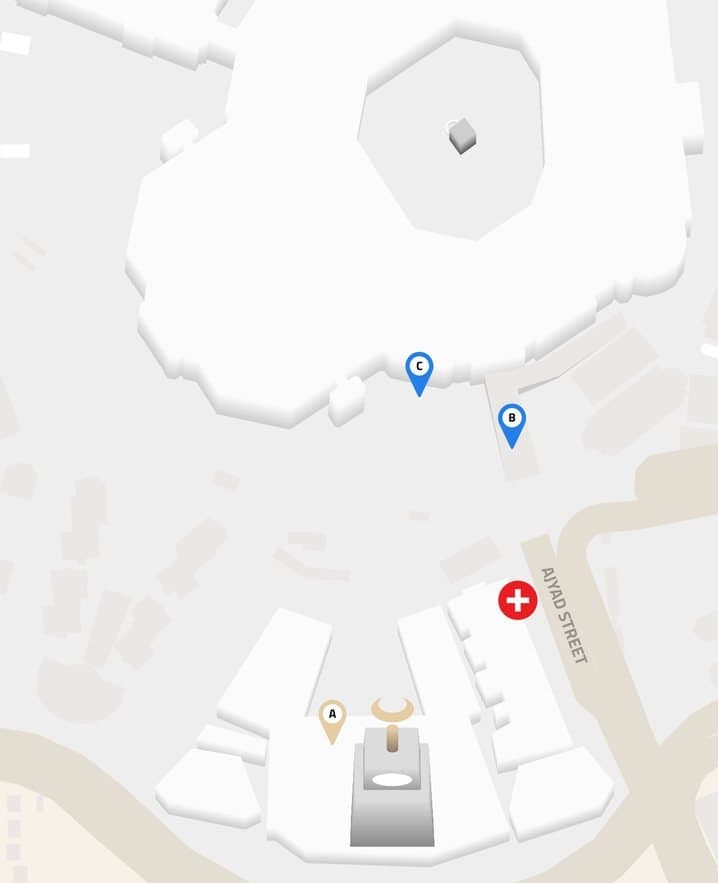
Hospitals and Pharmacies
| City | Hospitals |
|---|---|
| Makkah | An-Noor; Maternity and Paediatric Hospital; Hera General Hospital; King Abdul Aziz Hospital; Noor Specialist Hospital; King Faisal Hospital; Ibn Sina Hospital |
| Madinah | Hospital Ansaar |
Pharmacies
You cannot buy prescription-only medications, including antibiotics. The following are not available:
- Imodium
- Piriton
- Chloramphenicol
- Opiate-based medicines
- Flucloxacillin
- GTN spray
NahdiCare Clinics app
Requires a Saudi SIM.
Things to Remember
Being organised with your documents is crucial. Keep electronic and hard copies of the following:
Passport page
Visa documents
Diabetes needle letter
If you have diabetes, make sure you have a letter for your needles.
Medical letters
Any letters from your healthcare practitioner or medical summary reports, especially if you have chronic health conditions or take controlled medication.
Also carry extra supplies of medications, EpiPens, and devices, and note down the group doctor's details for emergencies. Preparedness is key!
Self-care summary
- Prevention is better than cure.
- Eat well and avoid junk food where possible.
- Don't skip meals.
- Sleep well, and don't over-exert yourself.
- Take daily vitamin C tablets.
- Avoid excessive sun exposure.
- Drink plenty of isotonic or rehydration fluids (unless your doctor advises against it).
Medical Insurance
Medical or travel insurance is not included in your package. The Saudi authorities provide free medical services for all pilgrims as part of the visa package, and many government hospitals in Makkah and Madinah provide free medical care.
It may be advisable to take out medical or travel insurance. If you do, check that it fully covers your personal requirements, including medical expenses, pre-existing conditions, and repatriation in the event of an accident or illness.
Medical FAQs
Not much, other than keeping hydrated with isotonic fluids (ORS or Dioralyte). Raising your feet in bed or resting may help reduce swelling, and open-ended footwear tends to be better for swollen feet.
Reading List and Advice from Former Pilgrims
The more preparation you put into something, the more you will gain from it. To help you get into the right frame of mind and make the most of your Hajj, you may find these books useful. Not all of them are directly about Hajj, but they will all prove beneficial.
| Book | Author | Topic |
|---|---|---|
| Hajj & Umrah from A to Z | Mamdouh Mohamed | Rites of Hajj and Umrah |
| Hajj & Umrah Made Easy | Dr Taqi Hashmi and Adnan Malik | Rites of Hajj and Umrah |
| Getting the Best out of Hajj | Ismail Davies | Rites of Hajj and Umrah |
| Fortress of the Muslim (Invocations from the Qur'an and Sunnah) | Shaikh Saeed bin Wahf Al-Qahtani | Du'a |
| Du'a: The Weapon of the Believer | Dr Yasir Qadhi | Du'a |
| Prayers for Forgiveness: Seeking Spiritual Enlightenment through Sincere Supplications | Imam Hasan al-Basri | Du'a |
| Inner Dimensions of Islamic Worship | Al-Ghazali, translated by Mukhtar Holland | General reading |
| In the Early Hours | Khurram Murad | General reading |
| Translations of the Meaning of the Quran | Saheeh International | General reading |
| The Sealed Nectar: Biography of the Noble Prophet | Shaikh Safiur Rahman Mubarakpuri | General reading |
Words of Advice from Previous Pilgrims
- "Before setting off, please do not stress about not knowing everything. The team will take care of all your needs. They have qualified guides who are both experienced and highly knowledgeable!"
- "Physical preparation: walk 2–3 miles in the sandals you plan to wear during Hajj as often as you can. This will make sure you don't struggle on Hajj."
- "Mark your sandals with a permanent marker."
- "Clean pair of flip-flops for Tawaf and Sa'i. Walking barefoot on marble can make your feet sore after a while."
- "Use coloured tape to mark your charger cables and other items so you can identify them in shared areas."
- "If you intend to perform Umrah straight after reaching Makkah, keep a hat, umbrella, water bottle or water spray, Vaseline or Sudocrem, and sunblock in your hand luggage, as luggage may arrive late at the hotel."
- "Arafat: stay in the camp and don't spend your time trying to reach Mount Rahma. You'll be surprised how fast time goes, especially when you have a long list of du'as."
- "Bring a book of du'as for Arafat and Mina, as you will have lots of time."
- "Put a bundle on your current mobile network in case the Saudi SIM takes time to sort out, or consider an e-SIM."
- "Bring a cardigan or shawl if you feel the cold easily. After Mina, I got so used to the heat that even the air conditioning in the hotel lobby and restaurant felt cold."
Wheelchairs and Footwear
Wheelchairs
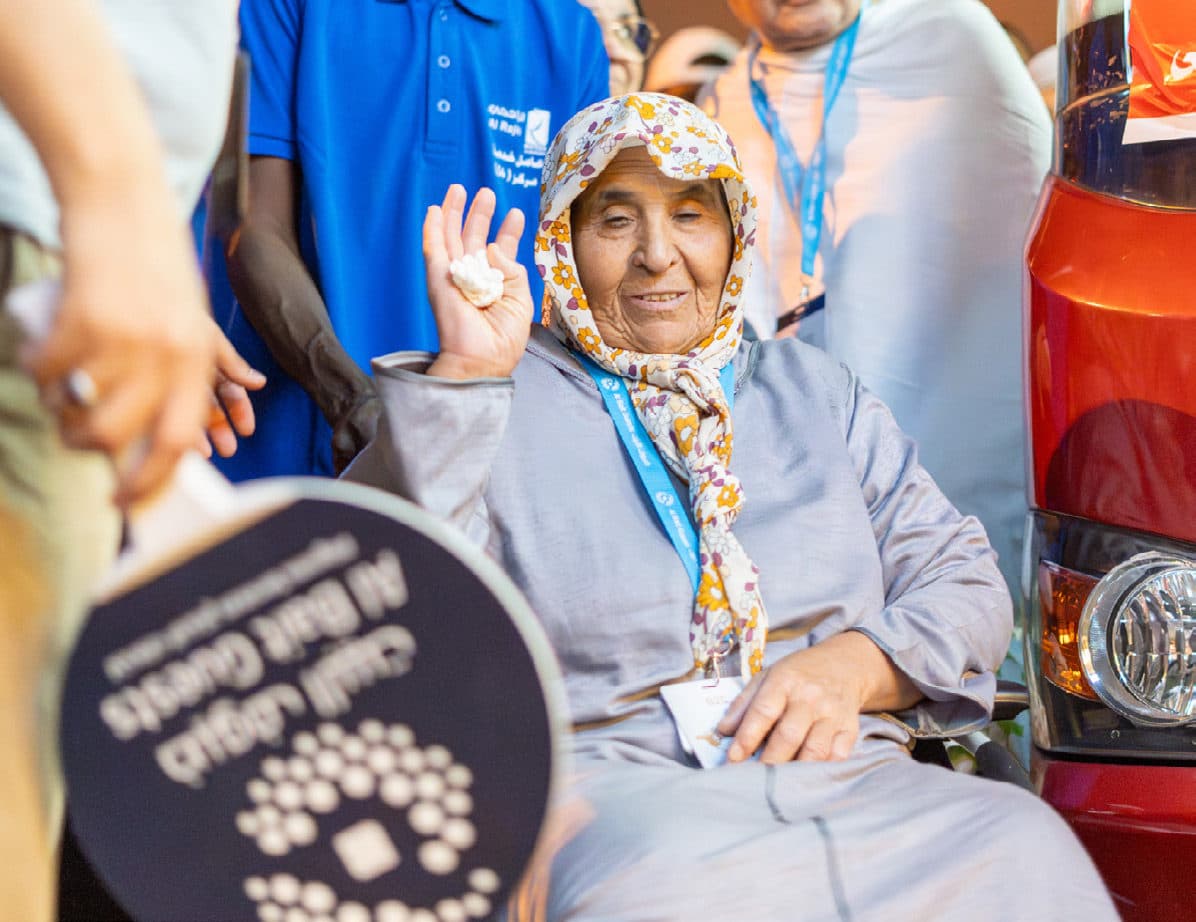
If you regularly use a wheelchair, we strongly recommend bringing it with you, and making sure a friend or family member comes along to help you. Wheelchairs are also sold at pharmacies in Makkah, costing from SR400 to SR800 depending on quality and features.
If you don't use a wheelchair but feel you may need one to perform Umrah, you can hire a private wheelchair attendant. As part of the services of the Presidency for the Affairs of the Two Holy Mosques, over 8,500 electric buggies and wheelchairs are provided for the elderly, the sick, and pilgrims with special needs.
| Type of assistance | Details | Cost* |
|---|---|---|
| Private wheelchair attendant | Can collect you from your hotel and bring you back after the rites | SR200 to SR600, depending on the day and time |
| Wheelchair operated by official attendants | For Tawaf and Sa'i | 200 SAR for Tawaf; 150 SAR for Sa'i |
| Golf buggies | On the roof of the Haram for Tawaf and Sa'i, reached by the ramp from the courtyard near Gate 69 or the lifts by Gate 16 (near Safa). All buggies now come with a driver only and carry a maximum of 10 people. | — |
*Rates are subject to change.
Where to find the wheelchairs
In the courtyard of the Haram, usually near King Abdul Aziz Gate and King Fahd Gate.
Wheelchair entrances to the Grand Mosque
Two pedestrian bridges give wheelchair access, one next to King Abdul Aziz Gate and one next to King Fahd Gate. Both lead to the Tawaf track on the mezzanine floor of the mosque.
Be clear about the arrangement you make with the attendant, and only pay once the rites are complete.
Footwear
Buy your footwear a few weeks before departure and wear it in so it feels comfortable. Old footwear in good condition is preferable.
Women
Women can wear any comfortable footwear, in and out of ihram. We highly recommend taking a pair of trainers, and slipper socks can help prevent soreness from walking on hard marble.
Men
In ihram, slippers or sandals are allowed. Ask the scholar accompanying you for more detailed guidance, as the rules may vary between schools of thought.
Carrying your shoes
Footwear can be misplaced or moved by others, so use a drawstring bag to carry your shoes with you when visiting the Haram.
Staying Connected
You need a way to stay in touch in an emergency. Your guides will most likely use WhatsApp or Telegram groups to keep you informed, and there may be live online broadcasts of lectures and reminders, so you need a working mobile phone with data, ideally with headphones or earbuds. You can use your existing phone or a local SIM card or e-SIM. Ideally, every pilgrim should keep a phone with them at all times.
Using your own mobile in Saudi Arabia
Check that your number is activated for roaming, and ask your network provider about roaming bundles, packages, and charges. This can be quite expensive in some cases.
e-SIMs
Al Bait Guests will provide you with an e-SIM, and further details will follow. A key advantage is that you can buy and activate an e-SIM before arriving, so you are connected as soon as you land. Your phone must be e-SIM compatible, and in most cases e-SIMs are data-only, so you will not have a local Saudi number for calls.
Buying a local Saudi SIM card
Pay-as-you-go cards are sold at kiosks in Jeddah and Madinah airports and around the Haram in Makkah and Madinah. There are four main network providers in Saudi Arabia: STC, Zain, Virgin, and Mobily.
Activating a Saudi SIM card
- Bring a copy of your passport.
- Give your fingerprint to the mobile vendor to activate the SIM.
- Once it is activated, give your mobile number to your guide so we can update our records.
Queues are long, and activation can take a while because your personal details and fingerprints are taken.
Expectations and Room Sharing
Expectations and Challenges
- The biggest challenge is being out of your comfort zone. Rest assured, we will do our best at every stage to ease your journey and keep you informed.
- External factors beyond our control sometimes cause delays, interruptions, and changes of plan. Guides will keep you informed at all times, but please be understanding and patient.
- Road traffic causes congestion, and walking shorter routes is sometimes quicker. We will always advise you on the best route.
- Saudi Arabia is very hot at this time of year. Stay in the shade, wear sunglasses, and drink plenty of water to avoid dehydration.
- If you have any issues in your hotel, tell reception or housekeeping immediately, and if necessary, ask your Hajj guide to follow up.
- Moon sighting can create differences between the Gregorian and Hijri calendars, which may slightly change the itinerary. We will always inform the group of any changes.
- You will be surrounded by pilgrims from around the world and many cultures, so be patient and understand that different people may observe different etiquette.
Collective responsibility
- We are travelling as a group, so please do your best to create harmony and a sense of brotherhood or sisterhood among your Hajj companions.
- Be aware of others' needs, likes, and dislikes.
- In any unforeseen circumstances, listen to and follow our instructions carefully. We will advise what is best for the whole group.
- The guides are available 24 hours a day for emergencies. If you have any concerns, difficulties, or requests, don't hesitate to contact them.
- There will be daily reminders on the relevant rites of Hajj, with a chance to ask questions.
- Do not give unsought opinions, especially on matters of fiqh or politics.
Individual responsibility
- Ultimately, this is your Hajj. You are performing an act of worship, so make the most of every minute and carry out your duties to the very best of your ability.
- Your intention and supplications are the most important parts of this journey.
- We are the facilitators: with Allah's help, we will get you where you need to be at the right time.
- Remember that strength and success come from Allah alone.
Room Sharing Etiquette
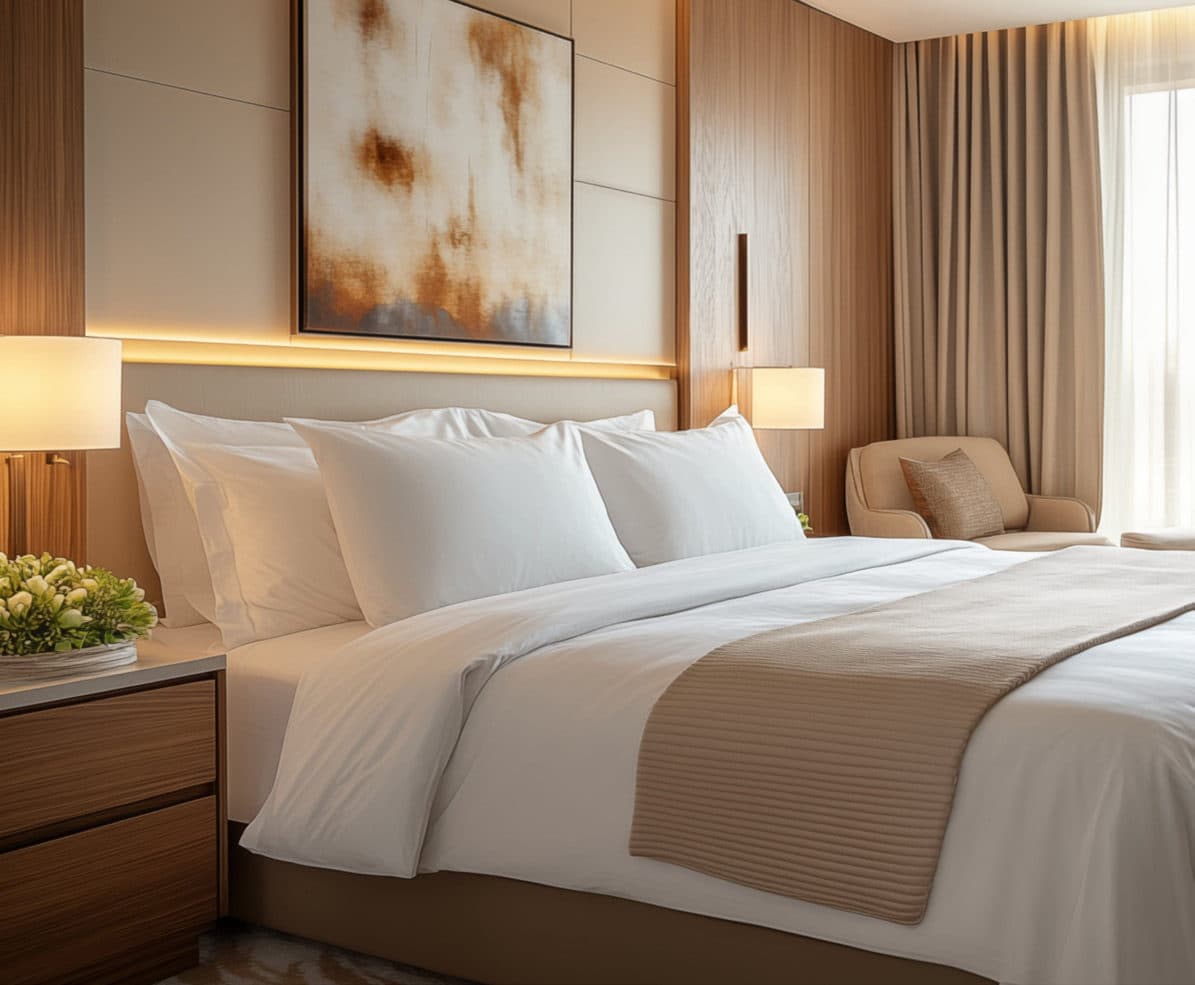
We are all creatures of habit, used to our own space and routine. During Hajj that normality is disrupted: we share our space with pilgrims we have never met, wake early for worship, and perform physically and mentally tiring rites. Sharing a room can be wonderful, a chance to get to know people from different backgrounds and build strong friendships, but it can also test your patience. Even if you have booked a family room, you will share your space with others in Mina, Arafat, and Muzdalifah.
Introductions
Introduce yourself to your room-mates when you check in, bearing in mind they may not have the energy or be in the mood for a long conversation. Keep it short and sweet!
Using the bathroom
Be mindful of how long you spend in the bathroom, as someone may be waiting to make wudu or shower. Don't splash water all over the floor, use only one towel, keep good hygiene, and be considerate with the shower gels and shampoos. You can always order fresh towels, toiletries, and toilet paper from housekeeping.
Keep it tidy
Everyone has a bed and enough space to keep their belongings tidy. We always advise travelling light, so keep your space organised, especially if you are buying lots of gifts.
Don't use others' belongings
Sharing is a great Islamic principle, but bring your own phone chargers, plugs, and travel adapters. Always ask before using someone else's personal items rather than assuming they won't mind, and don't forget your own toothbrush!
Safe combinations
There is one safe in each room. Agree on a code all room-mates can remember, avoiding 0000 and 1234, and keep your items in a named envelope so bank notes, currencies, and jewellery don't get mixed up.
Sleeping time
Enough sleep is vital for your energy and strength during Hajj. Some people sleep after Isha, wake two hours before Fajr, then rest again after breakfast or after Dhuhr. However you sleep, remember that others differ, and be quiet and considerate when you return during their sleeping time.
Digital screen time
Watch the brightness of devices such as iPads and tablets at night, and put phones on silent or night mode, as vibration can disturb room-mates too. Share the electrical sockets.
Eating in the room
Breakfast and dinner are included in the package. If you want to eat during the day, avoid bringing food into the room because of lingering smells and extra rubbish. If you do, it is polite to ask your room-mates if they mind.
Shoes and slippers
Don't walk in the room with shoes on: take them off at the door or keep them under your bed, and bring a pair of slippers for the room. For hygiene, use only your own slippers for wudu!
Air conditioning
Agree on a setting that works for everyone. We recommend 22–23°C, but find what suits you all; it may need adjusting at night.
No smoking
The sale of cigarettes is banned in Makkah and Madinah, making Hajj a great opportunity to stop smoking. If you intend to smoke or use an e-cigarette, you must leave the hotel premises.
Hosting guests and friends
If you have friends on Hajj with our group or another group, meet them in the hotel's common areas, not in the rooms. Always ask your room-mates before letting anyone into the room.
Holding conversations
Chatting helps you get to know one another, but not everyone shares your socio-political or religious views. Be courteous, don't let loose talk get in the way of the spirituality of Hajj, and focus on the goal of reforming your soul.
Snoring
We always recommend earplugs for light sleepers.
Staying positive
Not everyone deals with change and challenges in the same way, so be sensitive to others and stay positive. If something bothers you during the trip, tell your Hajj guide so it doesn't affect the energy and morale of others.
Special notes for women sharing a room
- Keep the door closed at all times to respect the sisters' privacy and observe the rules of hijab.
- Strictly no men are allowed inside the room.
- Meet fathers, brothers, sons, and husbands in the common areas.
Last but by no means least, always keep in mind the hadith of the Prophet ﷺ: "Do unto others as you would wish to have done unto you" [Abu Dawood].
Key Hajj Dates and the Hajj Sites
Key Hajj Dates
All dates are subject to moon sighting.
| Hijri date | Date | Day | What happens |
|---|---|---|---|
| 1 Dhul Hijjah | 18 May | Day 1 | Beginning of Dhul Hijjah (the best 10 days of the year) |
| 4 Dhul Hijjah | 20 May | Day 3 | Final entry date for non-Saudi Hajj flights |
| 8 Dhul Hijjah | 25 May | Day 8 | Beginning of Hajj 2025 (first day of Mina) |
| 9 Dhul Hijjah | 26 May | Day 9 | Day of Arafat |
| 10 Dhul Hijjah | 27 May | Day 10 | Biggest day of Hajj (Eid for non-pilgrims) |
| 11–13 Dhul Hijjah | 28–30 May | Days 15–17 | Days of stoning the Jamarat, in Mina |
| 14 Dhul Hijjah | 31 May | Day 18 | First flights depart after Hajj |
The Hajj Sites
Accommodation
- The tents in the Mina camps are provided and managed by the Ministry of Hajj in two designated zones: Muaisim and Majar Al-Kabsh.
- The tents are air-cooled or air-conditioned and supplied with water and electricity.
- Because of Mina's physical limits, each pilgrim has only about 1.1 m² of space, just enough to sit or sleep. It is vital to bring only the essentials so you don't encroach on other people's space.
Food
- All meals are provided during your stay in Mina. Catering for special dietary requirements is limited, so let us know about yours and we will do our utmost to meet them. It may be a good idea to bring your own snacks.
- Fruit, water, and soft drinks are available at all times.
Essentials to take with you
- Essential reading: your Hajj guide, Qur'an, and du'a book
- Medications
- Umbrella
- Small towel
- Sunglasses
- Portable fan
- Phone charger and battery pack
- Personal hygiene items (perfume-free for use in ihram)
Visiting Madinah
Madinah is the city of the Prophet ﷺ and has a unique sense of tranquillity. At its heart is Al-Masjid an-Nabawi, established by the Prophet ﷺ himself and his final resting place.
The Messenger of Allah ﷺ said: "Prayer in this masjid of mine is superior to a thousand prayers elsewhere, except for Masjid al-Haram, and prayer in Masjid al-Haram is superior to one hundred thousand prayers elsewhere" [Ibn Majah and Ahmad].
Etiquette of visiting the Prophet ﷺ
- Pray two rak'ahs of Sunnah in Al-Rawdah if possible.
- Stand in front of the Prophet's grave silently and convey your salam.
- Move to the right, to the grave of Abu Bakr, and give salam.
- Move to the right again, to the grave of Umar, and give salam.
Do not
- Pray facing the graves.
- Touch or kiss the graves.
- Circle around the graves.
- Raise your voice.
Rawdah Bookings
Within the Prophet's Mosque lies a special area about which the Prophet ﷺ said, "The area between my pulpit and my house is a garden (Rawdah) from the gardens of Paradise." Most pilgrims hope to pray in the Rawdah, but a booking is required to secure a slot. Al Bait Guests will make every effort to arrange group bookings for all pilgrims, and further details will be given on arrival in Madinah.
Physical Preparation for Hajj
4-Week Walking Challenge
| Day | Week 1 | Week 2 | Week 3 | Week 4 |
|---|---|---|---|---|
| Monday | 10 min easy pace ×3 | 20 min easy pace ×3 | 15 min easy pace ×4 | 20 min easy pace ×4 |
| Tuesday | 30 min brisk | 30 min brisk + 15 min easy pace | 30 min brisk + 30 min easy pace | 40 min brisk + 30 min easy pace |
| Wednesday | 30 min easy pace + strength workout | 35 min easy pace + strength workout | 40 min easy pace + strength workout | 30 min easy pace ×2 + strength workout |
| Thursday | 30 min easy pace + strength workout | 35 min easy pace + strength workout | 40 min easy pace + strength workout | 30 min easy pace ×2 + strength workout |
| Friday | 30 min easy pace + workout of your choice | 30 min easy pace + workout of your choice | 30 min easy pace + workout of your choice | 30 min easy pace + workout of your choice |
| Saturday | 30 min easy pace | 30 min easy pace | 30 min easy pace | 30 min easy pace |
| Sunday | 60 min brisk | 60 min brisk | 60 min brisk | 60 min brisk |
30-Day Step Challenge
Thirty days of steady steps to build strength and stamina for Hajj: simple daily walking to prepare your body for the journey ahead.
| Days | Daily steps (in order) |
|---|---|
| Days 1–5 | 5,000 · 5,500 · 6,000 · 5,000 · 6,500 |
| Days 6–10 | 7,000 · 7,500 · 5,000 · 8,000 · 8,500 |
| Days 11–15 | 9,000 · 5,000 · 9,500 · 10,000 · 10,500 |
| Days 16–20 | 5,000 · 11,000 · 11,500 · 12,000 · 5,000 |
| Days 21–25 | 12,500 · 13,000 · 13,500 · 5,000 · 14,000 |
| Days 26–30 | 14,500 · 15,000 · 5,000 · 15,500 · 16,000 |
Complimentary Items and What to Pack
Complimentary Items
Al Bait Guests will provide every pilgrim with the following:
Foldable rucksack
Lightweight and practical, for carrying essentials, including your shoes when visiting the Haram.
Luggage strap
Secures your luggage in transit and clearly identifies your bag as part of the Al Bait family.
Umbrella
Gives essential shade from the sun and makes you easier to spot within the group.
e-SIM
Keeps you connected throughout your journey, with reliable mobile access for updates, guidance, and peace of mind.
Personalised luggage tags
Five personalised tags per pilgrim, which must be attached to every piece of luggage. They make luggage transfers much easier and reduce the risk of lost bags.
Rechargeable portable fan
A compact fan to keep you cool throughout your journey, especially in the hot weather.
What to Pack
Cash and cards
You will generally get a better exchange rate in Makkah or Madinah than in the UK. You may also want to open an account with an online bank (such as Starling, Monzo, or Revolut) for a better exchange rate and no foreign transaction fees. Most shops accept cards, and ATMs are available in Makkah, Madinah, and the airports.
- Light clothing suitable for the hot climate
- An umbrella for protection from the sun
- Sensible sandals or slippers
- A belt for your ihram (men only)
- A hand towel and small bath towel (for Mina, Aziziyyah, and so on)
- A drawstring bag for your shoes
- Sunglasses
- A money pouch
- An unlocked mobile phone and charger
- Earphones or earbuds to use with your phone for live broadcasts
- A good-quality battery pack to charge your phone when you can't reach mains power
- Earplugs and an eye mask
- Personal hygiene items
- Perfume-free toiletries for use while in ihram
- Throat lozenges
- Plasters or blister dressings, paracetamol, and Dioralyte (oral rehydration sachets)
- Sun cream
- Any medication you need
- A Qur'an and other useful reading material
- A small sports bag or rucksack to carry essentials to Mina, Arafat, and Muzdalifah
Disclaimer
The information in this guide is for general information only and is not professional medical advice. It is not a substitute for professional medical diagnosis, treatment, or guidance. Always seek the advice of your physician or another qualified health provider with any questions about a medical condition, and never disregard professional medical advice or delay seeking it because of something in this guide. If you think you may have a medical emergency, call emergency services immediately. This guide does not recommend or endorse any specific tests, physicians, products, procedures, opinions, or other information it may mention.
Reliance on any information in this guide is solely at your own risk, and its authors accept no liability for any health-related issues arising from its use. Always consult a qualified healthcare professional for advice tailored to your circumstances.
For questions, contact the Al Bait Guests representative responsible for your package, or reach us at care@albaitonnusuk.com, albaitonnusuk.com, or @albaitonnusuk.