Among the most important measures for a seamless Hajj journey is putting your health first, and preparing yourself physically and mentally to deal with the common health issues pilgrims often encounter.
Vaccinations
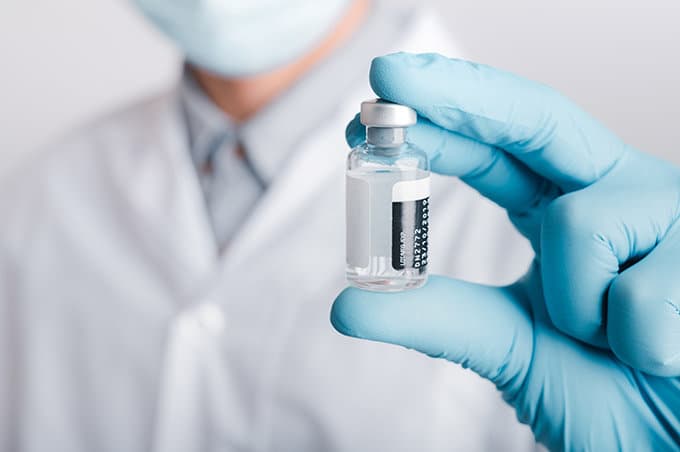
Required Vaccinations
Certain vaccination requirements are in place for those planning to perform Hajj or be within the Hajj areas, including adults and children aged one year or older. These requirements are as follows:
Neisseria Meningitidis
You must hold a valid vaccination certificate showing that you have received the quadrivalent meningitis vaccine (ACYW) to perform Hajj or enter the Hajj areas. The vaccine should be given at least ten days before you arrive in the Hajj areas. Acceptable vaccines include:
- Quadrivalent (ACYW) polysaccharide vaccine, valid for no more than three years after vaccination.
- Quadrivalent conjugate (ACYW) vaccine, valid for no more than five years after vaccination.
Polio
If you are coming from a region where wild poliovirus or vaccine-derived poliovirus is still circulating, you must hold a valid vaccination certificate showing at least one dose of either bivalent oral polio vaccine (bOPV) or inactivated polio vaccine (IPV), given between four weeks and 12 months before you enter the Kingdom.
Yellow Fever
All pilgrims over nine months old coming from regions where yellow fever is prevalent must show a valid certificate of vaccination against it before arriving in the Kingdom. The certificate becomes valid ten days after vaccination and remains valid for life.
Recommended Vaccinations
SARS-CoV-2 (COVID-19)
All prospective Hajj pilgrims aged 12 or older are required to complete all the required doses of one of the Kingdom-approved COVID-19 vaccines. The accepted vaccines are listed below.
| Vaccine | Doses required |
|---|---|
| Pfizer-BioNTech | Two doses |
| Moderna | Two doses |
| Oxford/AstraZeneca | Two doses |
| Janssen | One dose |
| Covovax | Two doses |
| Nuvaxovid | Two doses |
| Sinopharm | Two doses |
| Sinovac | Two doses |
| Covaxin | Two doses |
| Sputnik V | Two doses |
Seasonal Influenza
Everyone travelling to the Hajj regions, including pilgrims and seasonal workers, is advised to receive the seasonal flu vaccine at least ten days before arriving in the Kingdom. This is especially important for pregnant women, children under five, the elderly, and people with chronic illnesses or weakened immune systems. The Ministry of Health recommends that pilgrims from countries using the northern hemisphere vaccine receive the southern hemisphere vaccine at least ten days before they arrive.
General Health Recommendations
Medical insurance is not automatically provided for pilgrims during Hajj.
Pilgrims should consult their service provider for information about local medical services and, for added peace of mind during their journey, consider securing comprehensive insurance coverage.
Elderly Pilgrims and Those with Chronic Conditions
Elderly pilgrims and those with chronic conditions should take a few special considerations into account:
Pre-Travel Consultation
Pilgrims, especially the elderly and those with severe chronic conditions such as advanced cancers, heart and respiratory diseases, advanced liver or kidney diseases, and senility, should consult their healthcare providers before travelling to assess their physical readiness and overall health.
Medical Documentation
Obtain documentation from your healthcare provider detailing your medical conditions, prescribed medications, potential complications, and any other relevant information.
Medication Management
Carry an ample supply of your prescribed medications in their original packaging, and know their generic names, as these are more widely recognised in foreign pharmacies.
Adjusting Medication Schedules
Discuss any adjustments to your medication schedule with your healthcare provider, taking into account time zone changes when departing and returning.
Vaccination Status
Update your vaccinations against vaccine-preventable diseases, including diphtheria, tetanus, pertussis, polio, measles, varicella, and mumps.
Special Medical Equipment
If you rely on medical equipment such as oxygen devices, breathing aids, hearing aids, or cochlear implants, make sure extra batteries and supplies are readily available.
Wheelchair Use
Bring your wheelchair and, ideally, a friend or family member who can assist you, along with a patch kit for flat tyres. Wheelchairs can also be bought at pharmacies in Makkah if needed.
Physical Exertion
Avoid excessive physical exertion during Hajj. Consider using a wheelchair for Tawaf, when walking between Safa and Marwa, and at times of stress.
Seeking Immediate Medical Attention
If you experience chest pain, shortness of breath, or complications related to blood sugar or other conditions, seek immediate medical attention at the nearest health facility. Your health should always be a top priority during Hajj.
Essential Personal Hygiene Practices
Coughing and Sneezing Etiquette
Cover your mouth and nose with a tissue when coughing or sneezing, or use your elbow if no tissue is available. This simple act plays a crucial role in protecting the health of all pilgrims.
Clean Clothing
Clean, fresh clothes are comfortable and prevent skin irritation. Choose breathable fabrics and avoid materials that may cause discomfort.
Clean Living Space
Keep your living space clean every day to reduce allergens, bacteria, and viruses and support your overall well-being.
Oral Hygiene
Brush and floss your teeth regularly to maintain good oral health throughout your journey.
Handwashing
Washing your hands properly with soap and water is one of the most effective ways to prevent illness. Make it a habit, especially before eating, after using the restroom, and in public places.
Heat-Related Injuries and Infectious Conditions
Heat stress occurs when the body overheats, often from exposure to high temperatures, causing discomfort and potential health risks. To prevent it:
- Reduce your exposure to high temperatures and avoid crowded spaces, seeking shade or well-ventilated areas.
- Stay hydrated with water and electrolyte-rich drinks.
- Take regular breaks and rest in cooler places to avoid overheating and exhaustion.
- Wear light-coloured clothing, which reflects sunlight and helps regulate body temperature.
First Aid
First aid is essential during Hajj. Carry a well-equipped first aid kit to deal with common health issues. The situations that most often need first aid are nosebleeds and low blood sugar.
Nosebleeds are common among pilgrims because of the high temperatures. To stop a nosebleed:
- Pinch both nostrils with your thumb and forefinger.
- Lean slightly forward so blood doesn't run down your throat, which can cause nausea.
- Breathe through your mouth.
- Keep pinching for at least 5–10 minutes without letting go.
- Don't tilt your head backwards.
- Seek medical attention if bleeding continues after 10 minutes of pressure or is severe.
- Don't blow your nose or put anything into your nostrils during a nosebleed.
Health Facilities and Emergency Contacts
The Sehhaty Platform
Sehhaty is the Ministry of Health's unified platform, giving you access to health information and services from across the Saudi health sector. Download it from the App Store or Google Play.
Emergency Contact Information
| Service | Contact |
|---|---|
| Pilgrims call centre | 937 |
| Red Crescent | 997 |
| Police | 999 / 911 |
| Unified number | 00966920002814 |
| care@haj.gov.sa | |
| Beneficiaries Care Center on X (Twitter) | @MOHU_Care |
Healthcare facilities are available throughout the holy sites (Mashaaer).
Final Thoughts: Preparing for the Journey of a Lifetime
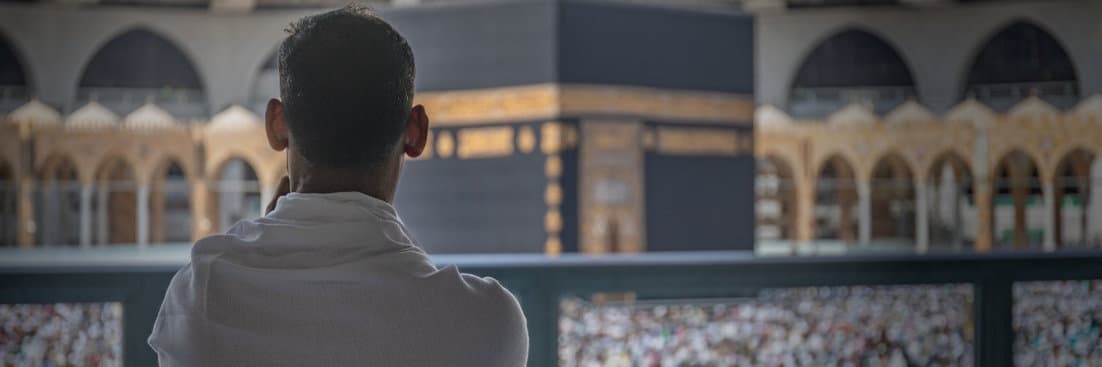
Hajj is a profound and life-changing experience. To make your journey both spiritually enriching and physically safe, prioritise your health and prepare for the challenges pilgrims commonly face.
- Make sure you are in good physical health. Visit your healthcare provider for a comprehensive check-up and discuss any existing conditions, as Hajj involves long walks, crowds, and demanding weather.
- Carry enough of your prescribed medications for the whole journey, in their original packaging, with copies of your prescriptions.
- Maintain good personal hygiene. Carry hand sanitiser, tissues, and wet wipes, and use sanitiser frequently, especially before eating.
- Get enough rest and sleep to keep up your energy throughout the pilgrimage.
- Prepare yourself mentally by learning the rituals and their significance, and seek guidance from scholars or counsellors if you need it.
- Carry a list of emergency contacts, including your embassy or consulate, your country's Hajj mission, and local healthcare facilities, and share it with your fellow travellers.
By taking these steps, you can make your Hajj spiritually fulfilling, safe, and comfortable, and fully embrace this extraordinary journey.